Spotting the Leaks: How to Audit Your Own Spending History
Take control of your cash flow by finding where your money goes and keeping more of what you earn
6 min. read
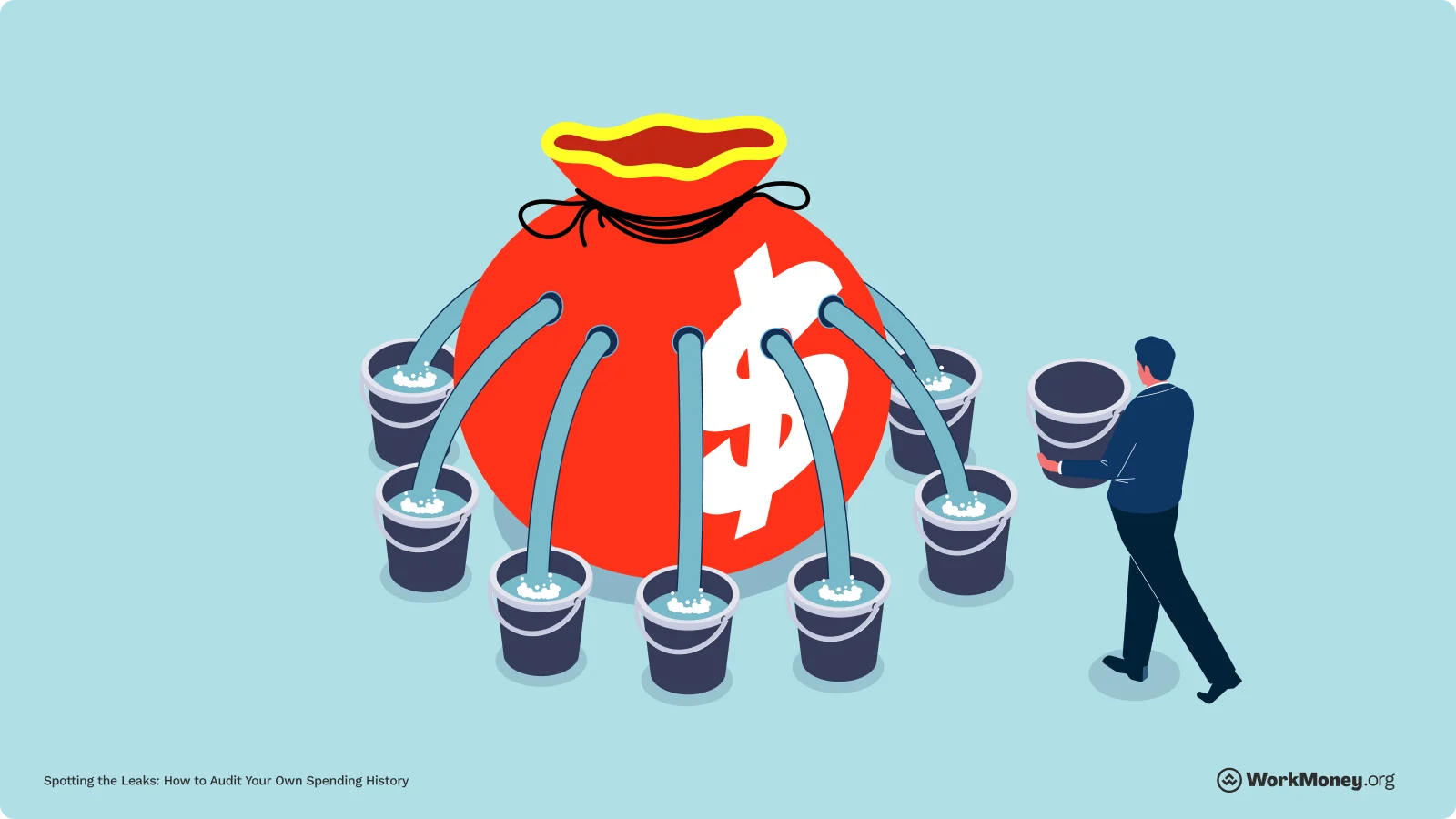
Many people feel like their paycheck disappears faster than expected. Between rising costs, automatic subscriptions, and everyday purchases, it can be difficult to keep track of where your money is actually going.
A spending audit helps you spot the leaks in your finances. Instead of guessing where your money went, you review recent transactions to uncover small charges, recurring bills, and spending patterns that may be quietly draining your budget.
Looking back at spending can feel uncomfortable, but it does not have to be about guilt or restriction.
Think of it like checking a map. The goal is simply to understand where your money has been going so you can make sure it is moving in the direction you want.
What A Spending Audit Is and Why It Matters
A spending audit is a review of your past transactions to understand how your money is being used.
It’s not about cutting every expense down to the bare essentials. It’s about making sure your spending supports the things that actually bring value to your life.
Instead of building a complicated budget from scratch, you start with real spending data from bank statements, credit cards, or payment apps. Reviewing these transactions is one of the simplest ways to track expenses.
A spending audit can help you:
Identify forgotten subscriptions or recurring charges
Spot small purchases that add up over time
See whether your spending reflects your priorities
Find opportunities to reduce large monthly bills
Many families discover what some financial experts describe as hidden or ghost-like expenses during an audit. They’re the small, forgotten charges that quietly drain your budget over time.
This process can also change how you think about your finances. Instead of feeling frustrated about where your money went, you begin using that information to make smarter decisions.
How to Perform a Simple 30-Day Spending Audit
You don’t need complicated software to review your spending. Many people can complete a basic audit in less than an hour.
Step 1: Gather Your Recent Transactions
Start by reviewing the last 30 to 60 days of activity across your accounts.
Check:
Bank account statements
Credit card transactions
Payment apps such as PayPal, Venmo, or Cash App
Subscription charges linked to your accounts
As you review your transactions, be on the lookout for merchant names that don’t seem familiar. Some services may charge under parent company names rather than the brand you recognize.
If your income varies—such as for gig workers, freelancers, or seasonal workers—this step can help show the minimum amount you need each month to cover essential expenses.
Step 2: Group Expenses Into Simple Categories
Instead of creating dozens of detailed categories, use a few broad ones, such as:
Housing and utilities
Transportation
Food and groceries
Insurance
Subscriptions and digital services
Personal spending
Keeping categories simple helps you quickly understand where your money goes without turning the audit into a complicated project.
Step 3: Use a Red Light, Yellow Light, Green Light System
A simple color system can quickly highlight where your money is going and whether the expense is worth keeping or hurting your budget.
Green Light = Worth It
Expenses that support your needs or bring clear value to your life.
Examples include rent, groceries, insurance, or services you regularly use.
Yellow Light = Worth Reviewing
Costs that may be reasonable but could potentially be lowered.
Examples include internet plans, phone bills, insurance premiums, or streaming services you only occasionally use.
Red Light = Potential Money Leaks
Expenses that provide little value or that you forgot about entirely.
Examples include unused subscriptions, duplicate services, trial memberships that continued to bill you, or any unnecessary fees.
This system makes it easier to see where your attention should go first.
you can direct it toward the things that matter most to you.
The Most Common Money Leaks People Miss
While large purchases like a home or car can stretch your finances, smaller ghost-like expenses can also quietly drain your budget in the background.
Common examples include:
Forgotten subscription services
Delivery or service fees
Out-of-network ATM charges
Auto-renewing memberships or contracts
Credit card interest
Unused gym memberships
Daily convenience purchases
Energy waste from devices left running
Food waste from unused groceries
Automatic subscription renewals are an easy way for money leaks to slip through unnoticed. Streaming trials, app memberships, and digital services can continue charging long after you stop using them.
Because these charges are small, they are easy to overlook. One report found that Americans underestimate subscription spending by about $51 per month. That’s more than $600 per year.
Another common problem is the “loyalty tax,” or “loyalty penalty.” Long-time customers sometimes pay higher prices than new customers for services like cable, internet, or insurance.
A spending audit helps you uncover these hidden costs so you can decide which ones still make sense.
Turning Your Spending Audit Into Real Savings
Once you identify potential money leaks, the next step is to take action.
Start With the Quick Wins
Begin with the easiest changes first:
Cancel unused subscriptions
Switch to a lower-cost phone or internet plan
Compare insurance providers
Contact service providers to ask about discounts
You can even turn the process into a small challenge. Think of yourself as a “Bill Bounty Hunter.” Set a one-hour timer and see if you can find at least $100 in potential savings by canceling subscriptions, negotiating bills, or switching providers.
Many people are surprised by how quickly those savings add up. Even small changes can free up money for savings, debt payments, or everyday expenses. Over time, reviewing your spending regularly can also strengthen your overall financial health.
Other Resources That May Help Lower Your Bills
A spending audit may reveal areas where you are paying more than necessary for essential services.
In some cases, households may qualify for programs that help lower the cost of utilities, internet service, or healthcare. These programs are not charity—they are benefits funded through taxes that working households already contribute to.
You can also use comparison tools to check whether you are overpaying for certain bills.
Electricity: If your electricity bill seems unusually high, check Arbor here to see whether you are overpaying and whether switching to a lower fixed rate could reduce your monthly cost.
Car insurance: If insurance is one of your largest monthly expenses, visit Insurify here to compare quotes from multiple carriers and see whether switching could lower your premium.
Taking a few minutes to compare options can sometimes lead to meaningful monthly savings.
Final thoughts
A spending audit is not about criticizing past financial decisions. It’s about gaining a clearer understanding of how your money moves through your life.
Once you see where your money is going, it becomes easier to decide what stays and what needs changing.
At WorkMoney, we believe people deserve practical tools that help them navigate a system that often makes it harder to keep their own money. Reviewing your spending history is one simple step that can help you keep more of what you earn so
Was this information helpful?
About the Author

DeShena Woodard
DeShena Woodard is a Financial Freedom Coach, Certified Life Coach, freelance personal finance writer, and podcast host. Her story, advice, and expertise have been featured in prominent outlets such as CNN Underscored, Business Insider, Yahoo Finance, NerdWallet, and more. Through her platform, Extravagantly Broke, she helps women take control of their finances with simple, stress-free strategies—without sacrificing the joy of everyday life. When she’s not writing or coaching, DeShena enjoys traveling, biking, and spending time with her family.