The Minimum Payment Trap: How Long Will it Really Take?
Stop running in place and start clearing your credit card balance for good
4 min. read
You may have noticed that you make your credit card payment every month, but your balance barely moves. It can feel frustrating and confusing. There’s a reason for that.
Minimum payments are designed to keep your account in good standing, not to help you pay off debt quickly. The longer you have an owed balance, the more money lenders make on interest payments. More money in their pocket, and less in yours.
In this WorkMoney guide, you’ll see exactly why your balance isn’t going down, how long it could take to pay it off, and what small changes can help you start making real progress—without overwhelming your budget.
Why Your Credit Card Balance Isn’t Going Down
A minimum payment is the smallest amount you can pay toward your credit card balance each month to keep your account in good standing.
It’s typically between 1-3% of your balance—including fees and interest. And if you don’t pay your full balance each month, interest will continue to add up.
What’s worse is that a large portion of your payment goes toward interest first, not your actual balance. And if you’re only making the minimum payment, it can take many years to pay off your balance—and cost you hundreds or thousands of dollars over time.
In many cases, your minimum payment barely reduces your balance. That’s why it can feel like you’re making payments but not seeing any progress.
How Long It Really Takes to Pay Off Debt With Minimum Payments
If you only make the minimum payment, repayment can take much longer than most people expect.
Here’s what that can look like in real life:
Credit card balance | Interest rate | Minimum monthly payment | Years to pay off | Total interest | Total payments |
|---|---|---|---|---|---|
$2,000 | 20% | 3% ($60) | 12 years, 8 months | $2,110.98 | $4,110.98 |
$5,000 | 20% | 3% ($150) | 18 years, 4 months | $5,860.86 | $10,860.86 |
That’s years and sometimes even decades of payments on relatively small balances.
According to the Consumer Financial Protection Bureau, credit card issuers are required to show how long it will take to pay off your balance if you only make minimum payments.
The Hidden Warning on Your Statement (Most People Miss This)
Your monthly statement includes a section called the “Minimum Payment Warning.” It shows how long it could take to pay off your balance if you only make minimum payments—and why that can cost you more over time.
Depending on your balance, this section typically shows:
How long it will take to pay off your balance with minimum payments
The total cost, including interest
A higher payment to pay it off in about 3 years
The total interest under that faster plan
This section is required by federal law—but many people overlook it. Take a moment to check it on your next statement. It shows you exactly where your current payment habits are leading.
The Real Cost of Staying in the Minimum Payment Cycle
This isn’t just about numbers, it’s about your life. When more of your income goes toward interest:
It’s harder to build savings
It can delay goals like buying a home or taking a trip
It keeps financial stress lingering in the background
Imagine what life would look like if that money stayed in your pocket instead of going to interest.
How to Break the Cycle Without Breaking Your Budget
Here’s some good news: you don’t need a big overhaul to start making progress. A few intentional changes can help you pay down your balance faster—without putting pressure on your budget.
Start With One Small Increase
You don’t have to double your payment overnight. Even paying $20–$25 more than the minimum can make a real difference. That extra amount goes directly toward your balance, reducing future interest. Each extra payment isn’t just progress—it’s buying back your time.
Find One Expense to Redirect
Start with one simple swap:
A subscription you don’t use often
One less delivery meal
No impulse buys at the grocery store
A Simple “Success Math” Example
The exact timelines vary based on your balance and interest rate—but the pattern is consistent: even a small extra payment can dramatically reduce both time and cost.
Payment approach | Estimated payoff time | Total interest paid |
|---|---|---|
Minimum Only | 20+ years | Thousands more |
Minimum + $25/month | ~7–10 years | Significantly less interest paid |
This is how you start getting ahead—without overwhelming your budget.
Resources to Help Free Up Extra Cash
If you need extra support, there are tools that can help you take the next step:
GreenPath Financial Wellness: Eliminate credit card debt faster with lower interest rates or payment consolidation. Learn more here.
DollarFor: Receive partial or full forgiveness of hospital bills. See if you qualify here.
Relief: If you’re behind on payments, Relief can work with creditors to lower what you owe and set up a more manageable payment plan. Explore your options here.
These options can help free up more of your money so you can focus on making real progress.
Final thoughts
Every extra dollar you put toward your balance is a step toward getting your money and your time back.
This isn’t just about paying off debt—it’s about creating more freedom in your everyday life, so you can spend less time in a cycle of payments and more time building what matters to you.
At WorkMoney, we believe you deserve to keep more of what you earn. We don’t profit from your debt—we’re here to help you understand how the system works so you can move forward with clarity and confidence.
Was this information helpful?
About the Author
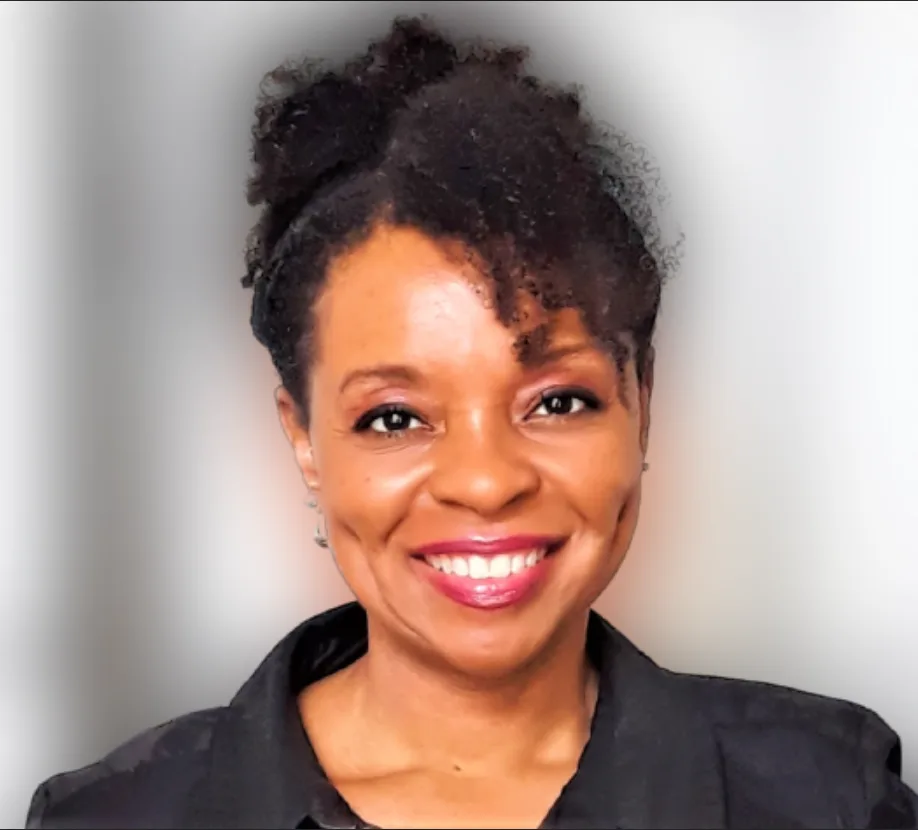
DeShena Woodard
DeShena Woodard is a Financial Freedom Coach, Certified Life Coach, freelance personal finance writer, and podcast host. Her story, advice, and expertise have been featured in prominent outlets such as CNN Underscored, Business Insider, Yahoo Finance, NerdWallet, and more. Through her platform, Extravagantly Broke, she helps women take control of their finances with simple, stress-free strategies—without sacrificing the joy of everyday life. When she’s not writing or coaching, DeShena enjoys traveling, biking, and spending time with her family.