Scarcity Mindset: How Your Childhood Affects Your Wallet Today
Understanding how your early money experiences shape your current financial habits and how to grow
5 min. read

Many people grew up watching their families stretch every dollar. As adults, some find themselves living paycheck to paycheck, too.
What can be surprising is that even when income improves, their relationship with money can still feel stressful. You might feel anxious after spending money or rush to use extra cash the moment it arrives because holding onto it feels unfamiliar.
These reactions are common. When money was scarce growing up, your brain may have learned to treat financial uncertainty as a constant threat. Those patterns can continue for years.
Understanding where these habits come from can be powerful. It helps you realize you are not “bad with money.” Many financial behaviors start as survival strategies during difficult times.
The team at WorkMoney believes financial stability isn’t just about numbers. It’s also about understanding the systems, experiences, and emotional barriers that shape how people interact with money—so people can build real financial stability with more confidence and less fear.
What a Scarcity Mindset Looks Like in Everyday Life
A scarcity mindset refers to a way of thinking that focuses heavily on resources someone feels they don’t have enough of—such as money or time. In finances, it often develops when someone spends long periods worrying about whether there will be enough money to cover basic needs.
When financial pressure lasts for years, people can become more focused on immediate survival. Even after financial conditions improve, those emotional habits can remain.
Instead of seeing this mindset as a flaw, it helps to recognize it for what it often is: a set of coping strategies that once helped someone stay safe during uncertain times.
Scarcity Mindset Checklist
One way to recognize a scarcity mindset is to look at the everyday habits it can create.
See if any of these everyday habits feel familiar:
Feeling guilty spending money on small comforts—instead of saving it
Stocking up on groceries or supplies because running out feels stressful
Feeling anxious when your savings drop, even slightly
Spending windfalls quickly (tax refunds, bonuses, raises)
Keeping items “just in case” because throwing them away feels wasteful
Working excessively because financial security still feels fragile
Feeling uneasy if your pantry gets low
These habits are incredibly common among people who grew up with financial instability. They are often practical responses to past uncertainty.
Recognizing them is the first step toward building a healthier relationship with money.
Why Childhood Money Stress Can Follow You Into Adulthood
Growing up with financial scarcity doesn’t just affect household budgets. It can also shape how people think about money later in life.
Research on scarcity shows that financial pressure can limit what experts call “cognitive bandwidth,” or the mental space people have for planning and decision-making. That means that when resources feel tight, the brain naturally focuses on immediate problems rather than long-term goals.
According to the National Bureau of Economic Research, scarcity can reduce the mental capacity available for forward planning and decision-making.
This helps explain why people who grew up with financial stress may find long-term financial planning more difficult—even after their income improves.
Money Habits Often Start as Survival Skills
Many of the financial habits people have may have developed as ways to stay safe during uncertain times.
For example, someone who grew up in a household where food sometimes ran out may feel anxious if their pantry isn’t stocked. Someone who heard their parents frequently complain about bills piling up may become extremely cautious about spending.
In many cases, the way people manage money today began as practical ways to cope with financial stress.
Why Stability Can Still Feel Uncomfortable
Even people earning solid incomes today may still feel like the “poor kid” they once were.
You may have a stable job, but still feel nervous spending money. You might hesitate to invest or save for the long term because part of you worries about losing money or expects things to fall apart.
Those emotional responses can take time to change, even after your financial situation improves.
How Scarcity Can Affect Spending, Saving, and Long-Term Goals
Scarcity doesn’t just affect emotions. It can shape everyday financial decisions in ways that feel confusing.
Why Windfalls Sometimes Disappear Quickly
Many people notice that tax refunds, bonuses, or other forms of extra income tend to disappear quickly.
When money used to be unpredictable, spending it right away could feel safer than trusting the money will still be there later.
Why Saving Can Feel Like Loss
Saving money could also bring up uncomfortable feelings.
Instead of feeling like progress, setting money aside may feel like giving something up. That reaction is common among people who spent years focused on covering immediate needs.
Why Long-Term Planning Feels Hard
If you’re used to focusing on immediate needs, long-term goals like retirement, investing, or future planning may feel abstract or unrealistic.
That doesn’t mean those goals are out of reach. It simply means your financial habits may need time and patience to evolve.
Small Steps That Can Help You Move From Survival Mode to Stability
Changing your relationship with money doesn’t require a perfect plan. Small steps can help build a stronger sense of financial stability.
Start With One Small Financial Win
A small success can go a long way toward changing how money feels day to day.
Examples include:
Building a modest emergency cushion (for example, $200–$500)
Automating a small savings transfer (for example, $20 per paycheck)
Negotiating or lowering a monthly bill
Paying off your smallest debt
Even a simple win—like lowering a utility bill—can help show that you can manage your money successfully.
Focus on Stability Instead of Perfection
Instead of trying to fix every financial habit at once, focus on building stability.
That might mean:
Covering essentials first
Creating a simple spending plan (like a bare bones budget)
Allowing a few small comforts without guilt
Progress tends to happen gradually.
Let Saving and Investing Start Small
Many people begin building wealth with small contributions that grow over time.
The goal isn’t to move overnight from scarcity to abundance. Instead, it’s to create consistent habits that gradually build financial security.
Other Resources That Can Help You Move Forward
Sometimes the most important step toward financial stability is having a little breathing room.
SNAP (Supplemental Nutrition Assistance Program): This federal program helps eligible households afford groceries, reducing food insecurity and creating more stability at home. See if you qualify here.
Using support programs or financial tools is not a sign of failure. These resources exist to help families create the stability they need to move beyond survival mode and build long-term financial confidence.
Final thoughts
A scarcity mindset often develops when people grow up living paycheck to paycheck—or feel like one unexpected expense could set them back. Not because they’re “bad with money,” but because their minds learned to focus on survival during uncertain times.
Financial stability rarely happens overnight. It usually begins with small wins that gradually build confidence and security. At WorkMoney, we believe that when families have access to clear information, practical tools, and the benefits they’ve earned, they can move beyond survival mode and build the life they have worked hard to achieve.
Was this information helpful?
About the Author
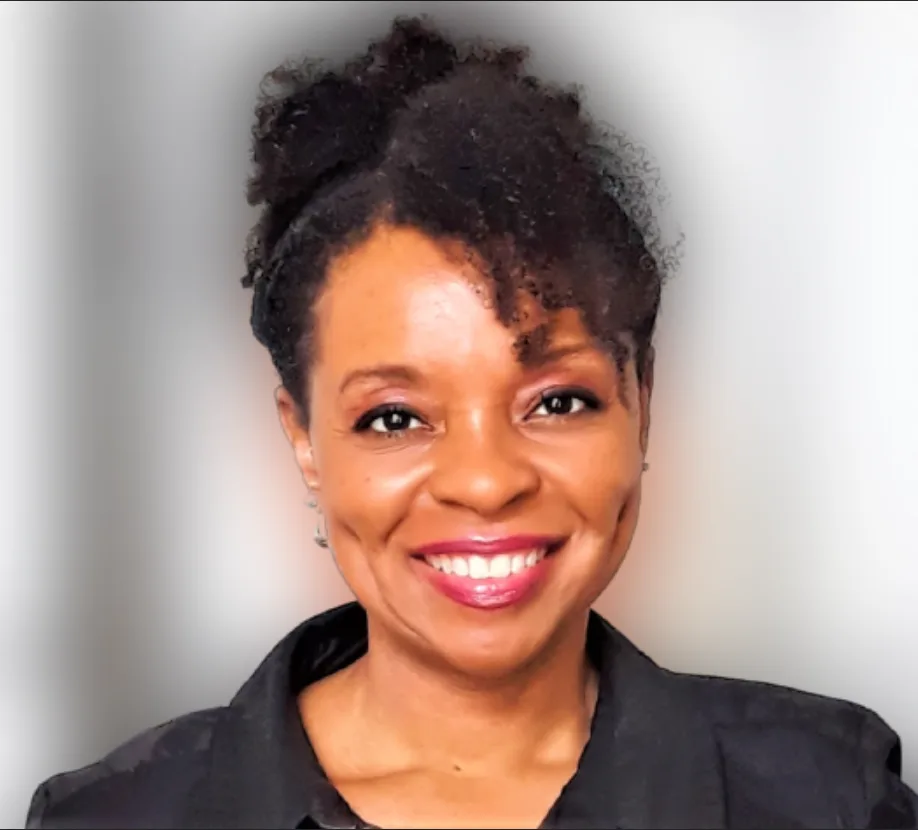
DeShena Woodard
DeShena Woodard is a Financial Freedom Coach, Certified Life Coach, freelance personal finance writer, and podcast host. Her story, advice, and expertise have been featured in prominent outlets such as CNN Underscored, Business Insider, Yahoo Finance, NerdWallet, and more. Through her platform, Extravagantly Broke, she helps women take control of their finances with simple, stress-free strategies—without sacrificing the joy of everyday life. When she’s not writing or coaching, DeShena enjoys traveling, biking, and spending time with her family.