Reframing Your Narrative: Moving From "Bad With Money" to Capable
Ditch the labels and take control: how to build a mindset for financial empowerment
By Dori Zinn
2 min. read
You avoid looking at your bank account. You see the overdraft notice but swipe away. You don’t open credit card bills. If you don’t see it, it doesn’t exist.
You’ve been made to feel like you’re “bad with money,” resulting in an endless cycle of financial shame. In reality, you haven’t failed; you’ve been forced to follow failed systems.
Don’t stay stuck in the same shame cycle any longer. WorkMoney has your guide to moving away from your “bad with money” label and reframing your narrative to one that works for you.
Your Money Mistakes Don’t Define You
Feeling defeated by past financial mistakes leads to even more shame and embarrassment. A 2021 study from ScienceDirect found that financial hardship triggers shame more than guilt and leads to withdrawal and disengagement from your friends, family, community, and yourself.
Financial shame and the associated feelings can lead to ongoing money struggles, making it more difficult to break the cycle. But take a moment to think about your mistakes. Rather than let them define you, consider your mistakes as lessons. They aren’t character flaws — they’re learning opportunities.
Reframing your “mistakes” as growth opportunities is one step toward changing your money mindset. You can recognize those past financial traumas and forgive yourself for the decisions you made. Start practicing self-compassion. It might help to think of moments when you made good financial decisions and build on them.
It’s Not You — It’s the System
Whether you grew up in a home that didn’t discuss money or your circumstances didn’t allow you to become financially literate, it’s not your fault. A 2022 Cornell University study found that even though financial literacy is low across all demographics, low-income folks and minorities face the highest risk.
That’s because lower earners aren’t taught basic financial concepts to help them avoid poor financial decisions. Instead, they are learning through their own experiences. For instance, folks are learning about credit card debt through irresponsible use of high-interest credit cards, making minimum payments, making late payments, or not making payments at all.
FINRA’s National Financial Capability Study (NFCS), released in 2025, showed that 4% of respondents could answer all seven financial questions correctly. Fewer than half answered at least 4 questions correctly. Since the NFCS started in 2009, financial literacy has continuously trended downward, from 42% in 2009 to 32% in 2024.
“Financial literacy is strongly correlated with behavior that is indicative of financial capability,” the study concludes. “Financial literacy also correlates positively with financial well-being.”
Most Americans don’t learn financial knowledge until well into adulthood. By then, many are at a self-taught pace, if at all. By then, you’re learning from personal mistakes, which can add up and become costly. You start to constantly live in financial stress, depleting your mental bandwidth, making it more difficult to make financial decisions.
This isn’t a reflection of you, but rather, the scarcity you live in. It’s difficult to get out of financial strain because you may not know how to do anything else. Discipline or motivation is harder to achieve than what you’ve been used to for so long, especially if you don’t have tools or resources at the ready to tackle your issues.
It’s Not Too Late to Make Lasting Change
Once you know better, it’s time to do better. Sure, you can start a budget, but what if the first template you find is too rigid? You might find yourself falling back into old habits because that’s what you’re used to.
But it’s OK to fail. That means you can try again, fail again, and fail better. Don’t keep making the same mistakes; make new ones. That means you’re learning. You need a system that works for you. For some, that means creating a budget. For others, that means making major lifestyle changes. In some cases, you may need to do both.
Change your “bad to money” mindset by educating yourself to become financially confident. Your experiences — both good and bad — help shape who you are. Use them as motivation to become better at everything you do.
You don’t have to make major changes right away, especially if you’re prone to impulsively acting. A small habit change can go a long way, and it’s fine to take baby steps. Regardless of your income level or financial knowledge, making small shifts can have a big impact.
Simple Changes to Use Right Now
Traditional budgets can feel intimidating, stressful, and restrictive. If you’ve tried and failed to get your money right, it’s normal to throw your hands in the air and decide you’re bad with money. Your relationship with money won’t get better with a budget, but it won’t get better staying stagnant.
Use low-stress starting points so you don’t feel overwhelmed by taking control of your money, like:
Simple tracking: List out your monthly income and expenses. No goals — just data collection.
Auto-saving or paying: Sign up for automatic deposits to save a set amount every week or month. Or sign up for auto-pay so you can pay a bill on time, or even faster. This doesn’t need to be a lot; you can automatically deposit a few dollars just to get into the motion of regularly saving.
Micro savings: Put even the smallest amount into a high-yield savings account. There’s no deposit too small for this. Some apps link to your debit card and let you round up your transactions, depositing that extra amount into savings.
Don’t be so hard on yourself. Celebrate the small wins and little victories. Making an on-time payment for a bill you’ve notoriously forgotten about is still a success. So is micro-saving or tracking your expenses for a whole month. Don’t downplay these moments. They help you build up your momentum, turning many “small wins” into a big one.
If you’re struggling to keep up with credit card debt or you need help managing your payments, Greenpath helps you get control of your finances. Greenpath negotiates lower APRs on your behalf and helps you simplify payments. Get a tailored debt management plan from Greenpath to take control of your credit card debt.
Final thoughts
Being “bad with money” doesn’t make you a bad person. There’s no one-size-fits-all approach to fixing your financial stress, but you can take many little steps to make lasting change. You don’t have to use what everyone else does, but you should find something that works best for you, your family, and your life.
Was this information helpful?
About the Author
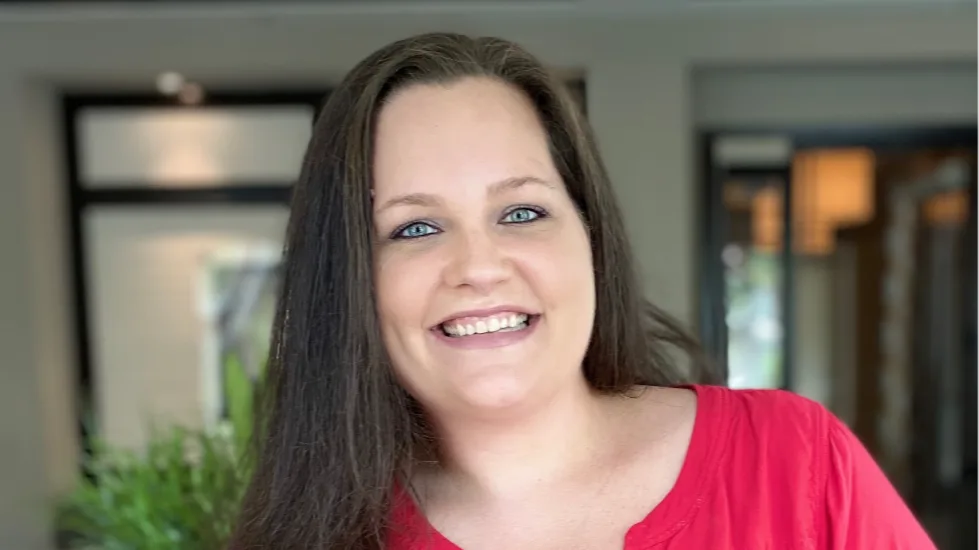
Dori Zinn
Dori Zinn is a longtime personal finance journalist with nearly 20 years of experience in digital media. Her work has been featured in the New York Times, Wall Street Journal, CBS News, Yahoo, CNN, USA Today, and more. She loves helping folks learn about money. If she isn’t writing, she’s reading, baking, or watching football.