Does Your Home Insurance Cover Septic System Issues?
Septic system failure can cost thousands. Here is what your insurance covers and how to save
4 min. read
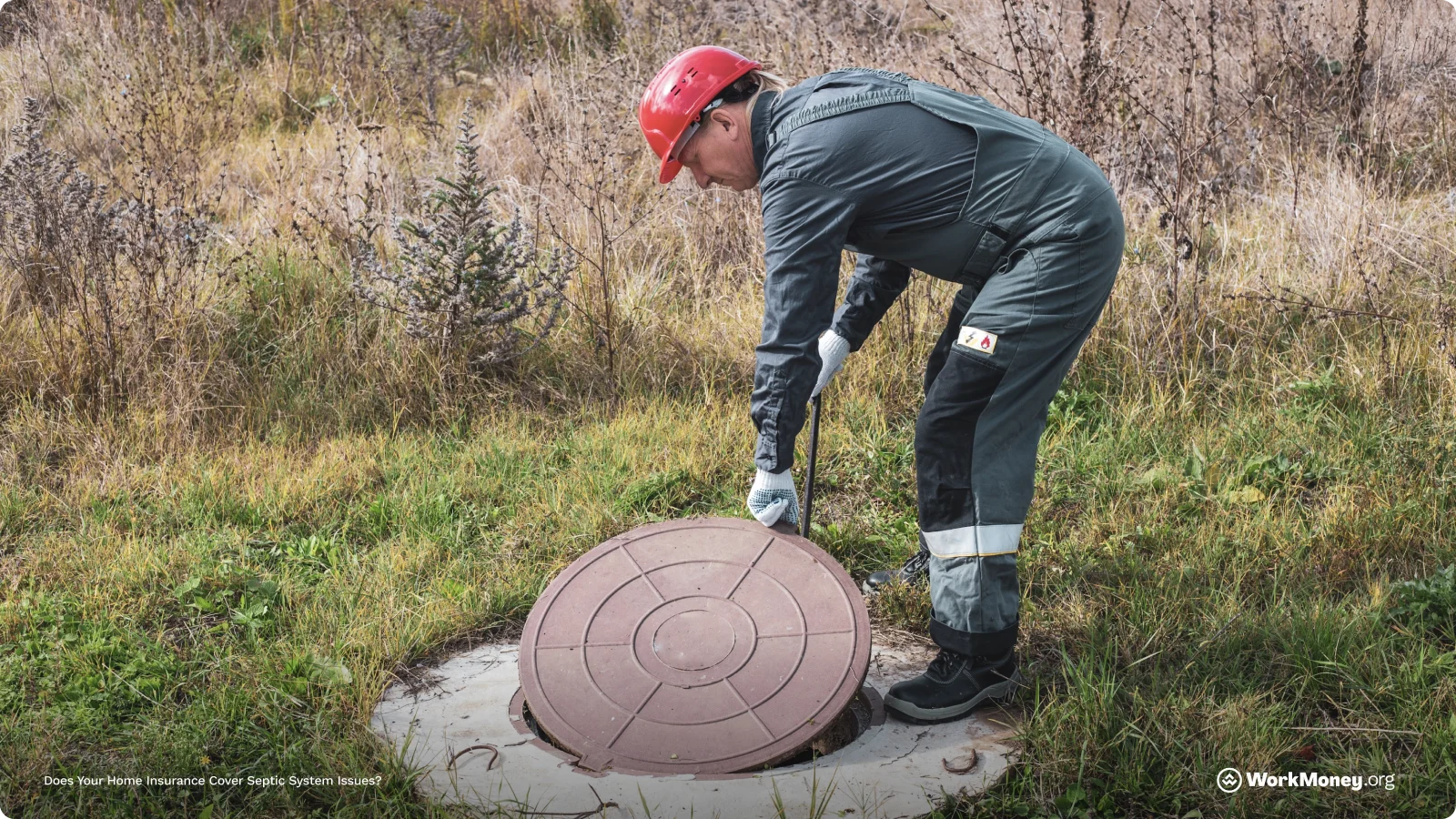
If you have a septic system, you already know two things: it’s out of sight, and it’s expensive when something goes wrong.
What most homeowners don’t realize—until it’s too late—is that standard homeowners insurance usually won’t help when a septic system fails.
That surprise can be financially devastating. Septic problems often show up without warning and can wipe out your savings fast. In this guide, we break down what homeowners' insurance actually covers, where it falls short, and the most affordable way to protect yourself from a massive, unplanned septic bill.
The Short Answer: Does Homeowners' Insurance Cover Septic Systems?
In most cases, no.
Standard homeowners insurance (which includes dwelling coverage) does not cover septic system repairs or replacement when the problem is caused by:
Age or normal wear and tear
Poor maintenance
Gradual damage over time
These issues are typically considered maintenance responsibilities that fall on the homeowner.
Insurance is designed to cover sudden and accidental events, not systems that slowly fail. Septic systems can fall into a gray area where many homeowners assume they’re protected—until a claim is denied.
This isn’t a loophole. It’s simply how most policies are written.
When Septic Damage Might Be Covered
There are limited situations where insurance may help—but they’re narrower than most people expect.
Coverage depends on what caused the damage, not how bad or expensive the result is.
Situations that may be covered
A sudden, accidental event caused by a covered peril. For example, a fire, a lightning strike, vandalism, or an explosion
Snow or freezing temperatures
Damage from vehicles
Falling objects, like a tree or heavy debris
For example, if a lightning strike cracks your septic tank, that type of damage would likely be covered under a standard homeowners' policy.
Situations that are almost always denied
Wear and tear from age
Tree root intrusion
Clogs or backups from normal use
Failure from lack of maintenance
Improper installation
Earthquakes or floods
Keep in mind: damage caused by neglect, misuse, or gradual deterioration is usually treated as a maintenance issue, which insurers may consider the homeowner’s responsibility.
The Septic System Exclusion Playbook (Why Claims Get Denied)
Here’s what often catches homeowners off guard.
When insurers look at septic-related damage claims, they start by asking one question: Was this a sudden accident or a maintenance issue? If it’s considered a maintenance issue, the claim is usually denied.
Common denial triggers include:
Tree roots = maintenance issue: If tree roots grow into pipes or lines, insurers usually consider it a maintenance issue, since the damage builds over time.
Wear and tear = homeowner responsibility: Septic systems wear out from normal use or gradual deterioration, and this is typically not covered.
Backup damage = wrong endorsement: Damage from sewer or drain backups usually isn’t included in a standard policy and requires a separate sewer or water backup add-on endorsement.
Knowing this ahead of time matters. It keeps you from relying on coverage that doesn’t exist — and points you toward the protection that actually helps.
The Septic Problem Most Homeowners Miss
The underground septic line that connects your home to the septic tank is a common—and expensive—failure point.
Because it’s buried and out of sight, it’s usually excluded from standard homeowners insurance. When this line cracks, collapses, or shifts, repairs often require digging up the yard, removing landscaping, and doing labor-intensive work.
Repairs to underground septic lines can easily cost thousands of dollars. Fixing a cracked or broken line often runs $1,500 to $5,000, or more. And larger repairs can climb even higher. That’s why this gap in coverage matters.
The Affordable Fix: Service Line Coverage
Service line coverage is an optional insurance add-on that can help pay for repairs to underground utility lines on your property, such as sewer or water lines that connect your home to outside services.
It usually covers:
Repair or replacement of underground utility lines
Costly excavation and landscaping work
It usually doesn’t cover:
Problems inside the septic tank itself
Damage caused by poor maintenance
Utility lines or systems already excluded under your base policy
The biggest benefit is cost. Service line coverage is often relatively inexpensive—sometimes $20 to $50 per year—compared to paying thousands out of pocket for a buried line repair. It fills a gap many homeowners don’t realize exists.
How to Add the Right Coverage Without Paying More Overall
Many people add endorsements to their existing policy without shopping around and end up paying more than necessary. A smarter move is to compare policies first, then add coverage where it actually makes sense.
Insurify is a comparison tool that can help you:
Find policies that already include service line coverage
Offset add-on costs with lower base premiums
Avoid paying more overall for better protection
You can compare quotes from over 120 insurance companies in one place. Compare your options here.
Another Way to Protect Your Home and Keep More Cash
Septic repairs don’t happen in isolation. Many homeowners dealing with surprise repairs are already stretched by rising housing costs.
One way to free up some cash is by lowering your property taxes. Property taxes are often one of the biggest yearly housing costs after your mortgage, and one report found that about 40% of U.S. homes may be overassessed, meaning many homeowners could be paying more than they should.
Ownwell helps homeowners challenge their property tax assessments on a contingency basis—if they don’t lower your bill, you don’t pay. Check whether your property tax bill may be higher than it should be here.
Lowering required housing costs can make it easier to afford protections like service line coverage without adding more financial stress. These are homeownership savings that many people qualify for but don’t realize they can use.
What Homeowners Should Do Next
If you have a septic system, a few simple steps can reduce the risk of a financial shock:
Review your homeowners policy exclusions
Check whether you have service line coverage
Confirm whether sewer or drain backup coverage is included
Compare policies before adding endorsements
Keep maintenance records in case of disputes
This isn’t about buying more insurance. It’s about buying the right insurance—and not paying extra for it.
Final thoughts
Septic system failures are expensive, stressful, and rarely covered by standard homeowners' insurance. But that doesn’t mean you’re stuck.
When you understand where your coverage stops—and how to fill the gap affordably—you can protect your savings and your home with confidence. The right add-ons and a smarter comparison strategy can help reduce risk without overpaying or relying on assumptions that don’t hold up when it matters most.
At WorkMoney, our goal is simple: help you protect your home and your money without paying for coverage you don’t need—or counting on coverage that doesn’t actually exist.
Take the next step
Save hundreds on home insurance in under 5 minutes
Comparing premiums on Insurify can now save you up to $1,100 annually.
Was this information helpful?
About the Author

DeShena Woodard
DeShena Woodard is a Financial Freedom Coach, Certified Life Coach, freelance personal finance writer, and podcast host. Her story, advice, and expertise have been featured in prominent outlets such as CNN Underscored, Business Insider, Yahoo Finance, NerdWallet, and more. Through her platform, Extravagantly Broke, she helps women take control of their finances with simple, stress-free strategies—without sacrificing the joy of everyday life. When she’s not writing or coaching, DeShena enjoys traveling, biking, and spending time with her family.