Home renovations can be exciting—and overwhelming. Costs can mount quickly and leave project budgets in shambles.
The good news is that making affordable home renovations is possible when you have the right plan. With a simple checklist and a few money-saving tools, you can stretch your dollars further than you think.
At WorkMoney, we’re here to help you get the most from your money—so your renovation feels less like a burden and more like a smart investment.
Know Your Renovation Goals and Budget
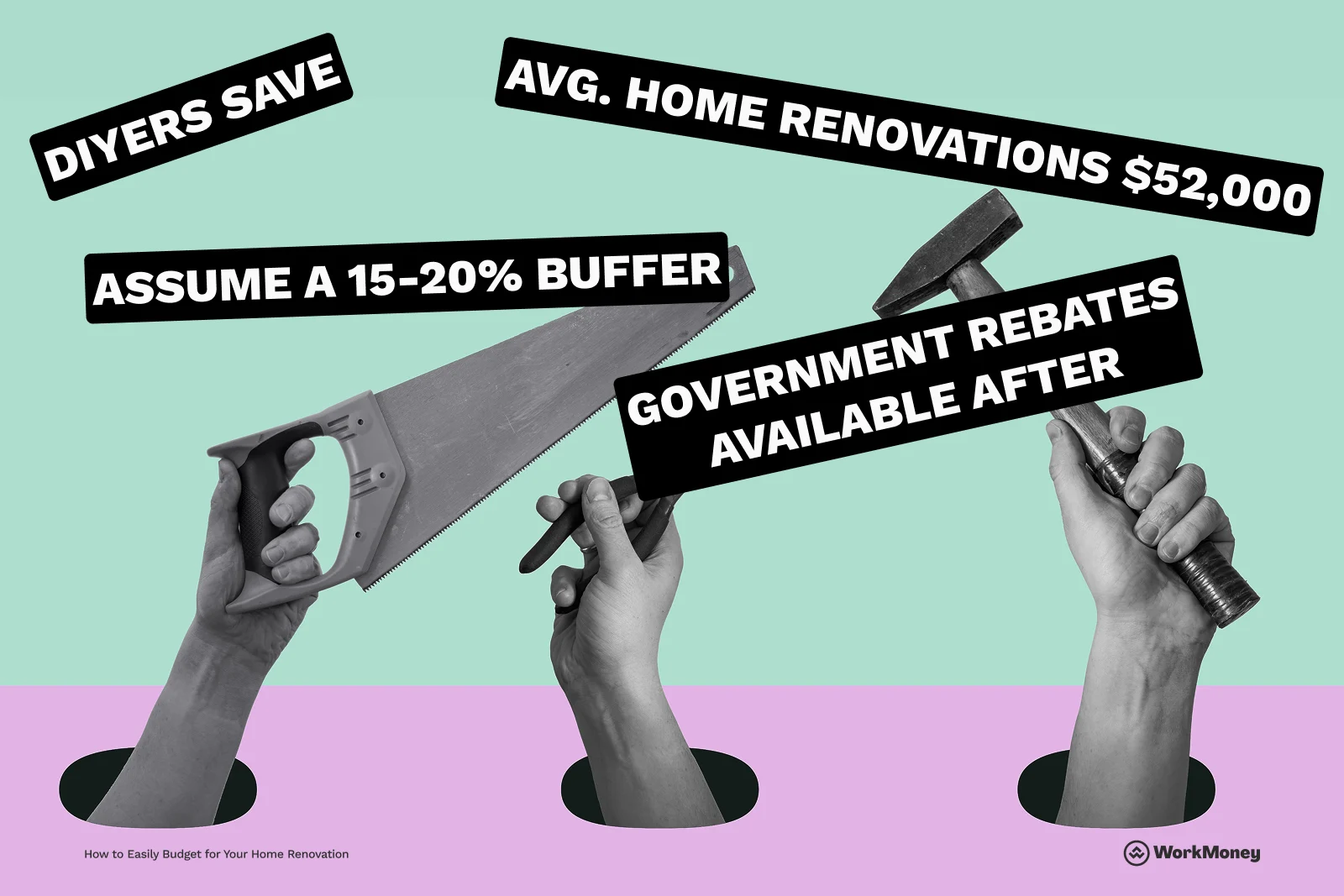
There is no standard budget for a home renovation as each one is extremely different based on the type of home, location, and extent of work. The average home renovation project costs $52,236, according to Angi, a home care website.
Before you dive into a home renovation project, it's a smart move to first get clear on your “why.” Are you looking to fix safety issues, cut energy bills, make updates for comfort, or renovate to raise the value of your home? Knowing your purpose will help guide every decision.
Here's a simple checklist to get you started:
Write down what you want most from this project.
Separate must-haves (non-negotiables) from nice-to-haves.
Compare contractor estimates and DIY supply costs.
Add a 15-20% cushion for permits, price changes, or surprise costs.
Taking these steps up front gives you a realistic plan that keeps your renovation budget-friendly and avoids surprises down the road.
Separate Needs vs. Wants
Every home renovation wish list should have two parts: the essentials and the extras.
Needs are the must-haves that keep your home safe and functional, like fixing a leaky roof, updating wiring, or replacing broken appliances.
Wants are upgrades that are nice to have but not urgent, like custom cabinets, new flooring, or luxury finishes.
Understanding this difference early keeps your project focused, prevents overspending, and makes sure your money goes toward what matters most.
Research Home Improvement Cost
Once you know your goals, it’s time to see what they’ll really cost. Start by using a home renovation calculator tool. Then, get estimates from multiple contractors to get a sense of what you should expect to spend to get the outcome you desire.
If you’re considering a DIY project, be sure to compare prices on supplies at different home improvement stores to see where you can realistically save money.
Here are a few quick wins for budget-friendly DIY projects:
Paint walls or cabinets for a dramatic refresh.
Swap out cabinet handles, faucets, or light fixtures.
Add peel-and-stick backsplash tiles in kitchens or bathrooms.
Refresh landscaping with mulch and low-maintenance plants.
Whichever route you take, build in a 15-20% cushion so surprise costs don’t derail your budget.
Factor in the Hidden Costs
One of the fastest ways a renovation goes over budget is by overlooking hidden costs like permits, inspections, or labor.
DIY home renovations can also backfire. One mistake with the plumbing or electrical work can cost even more to fix than hiring a pro from the start.
So, before you commit, it's wise to look at the full picture. Think of your home renovation budget as a financial before and after. In other words, don't just imagine how your home will look once the improvements are complete. You should also consider how your bank account will look.
Planning for the real cost helps you avoid debt so you can truly enjoy the results.
Pro tip: If you’re completing any structural work, consider that your insurance premium may change. Even if it’s cosmetic work, it’s always a good idea to shop around for your homeowners' insurance to see if you score a lower premium. Use Insurify to shop for your insurance around to see if you can save.
Tap Into Free Money and Extra Savings
Did you know you may not have to shoulder renovation costs alone? There are government programs and WorkMoney partner services that can put real money back in your pocket.
These are resources you’ve already earned—not handouts.
Tap into Government Programs
HOMES Rebates: Federal funds for energy-efficient upgrades that cut utility bills.
HEEHRA Rebates: Help cover heat pumps, electrical panel upgrades, and insulation.
Take Advantage of Extra Savings
Ownwell: Protest your property tax assessment to lower annual bills and free up cash for upgrades.
Insurify: Compare home insurance rates to avoid overpaying—extra savings that you can put toward your project.
Habitat ReStore: Access discounted building materials and strengthen your financial footing to stretch your renovation dollars further.
TrustPlus: Offers free one on one coaching to help you budget and save for your goals.
Decide Whether to DIY or Hire a Contractor
Of course, not every project calls for a professional. But not everything is worth trying on your own, either. Let's take a look at some pros and cons of each method.
Tips for finding reliable, affordable contractors:
Check references and reviews.
Watch for red flags like vague contracts or demands for upfront payment.
Get everything in writing, including timelines and payment schedules.
Do It Yourself (DIY)
Hiring a Contractor
Pros
Saves money on small projects
Let's you work on your schedule
Work can be satisfying
Plenty of online resources to guide you through projects
Best for large or complex projects
Saves time and can minimize stress
A good pro handles permits and codes
Cons
Mistakes can be costly
It takes more time and effort
May require tools or skills you don’t have.
Costs more
Risk of overpaying if you don’t shop around
Finding a reliable pro takes effort.
Focus on High-Value Projects First
If your budget is limited, consider putting your money toward the projects that give you the biggest bang for your buck. These can include the following:
Kitchens and bathrooms usually deliver the most value when it comes time to sell.
Energy-efficient upgrades like insulation, new windows, or better appliances can lower your utility bills month after month.
Simple updates like painting, swapping hardware, or freshening up landscaping can also make a noticeable difference without costing much.
By tackling high-value projects first, you’re not just improving your home—you’re making smart financial moves that stretch your renovation dollars further.
Final thoughts
Home renovations don’t have to cost a fortune. With a smart plan, a little research, and a few simple savings tools, you can stay in control without breaking the bank. Start by setting clear goals, separating needs from wants, and building in a cushion for surprises. Don't forget to take advantage of rebates, tax credits, and partner programs that help put money back in your pocket.
At WorkMoney, we’re here to help you stretch every dollar so you can focus on what matters most—turning your house into a safer, more comfortable home you love.
Take the next step
How Much Does Refinishing Hardwood Floors Cost in 2026?
Refinish or replace? We break down the real costs per square foot and show you how to cut project expenses
5 Easy DIY Home Repairs That Prevent Expensive Bills Later
Simple maintenance tasks you can do this weekend to avoid costly repairs down the road
Was this information helpful?
About the Author

DeShena Woodard
DeShena Woodard is a Financial Freedom Coach, Certified Life Coach, freelance personal finance writer, and podcast host. Her story, advice, and expertise have been featured in prominent outlets such as CNN Underscored, Business Insider, Yahoo Finance, NerdWallet, and more. Through her platform, Extravagantly Broke, she helps women take control of their finances with simple, stress-free strategies—without sacrificing the joy of everyday life. When she’s not writing or coaching, DeShena enjoys traveling, biking, and spending time with her family.